
How to Know What Art Belongs in Your Home
Choosing meaningful art for the way you want to live.
Choosing art for your home can feel more difficult than it should.
There is no shortage of beautiful work to look at, save, or buy. The harder question is knowing which pieces feel right for you—which ones belong in your home rather than simply filling an empty wall.
You may wonder whether the artwork should match the room, reflect your personality, carry a particular meaning, or fit within a larger design plan. All of those things can matter, but I think the best place to begin is simpler:
| What do you want to keep looking at?
The art that belongs in your home is often the work that creates a relationship with you. It may remind you of somewhere you have been, express something you cannot quite explain, or introduce a feeling you want more of in your daily life.
Your home does not need to look like anyone else's. The artwork within it can help make that difference visible.
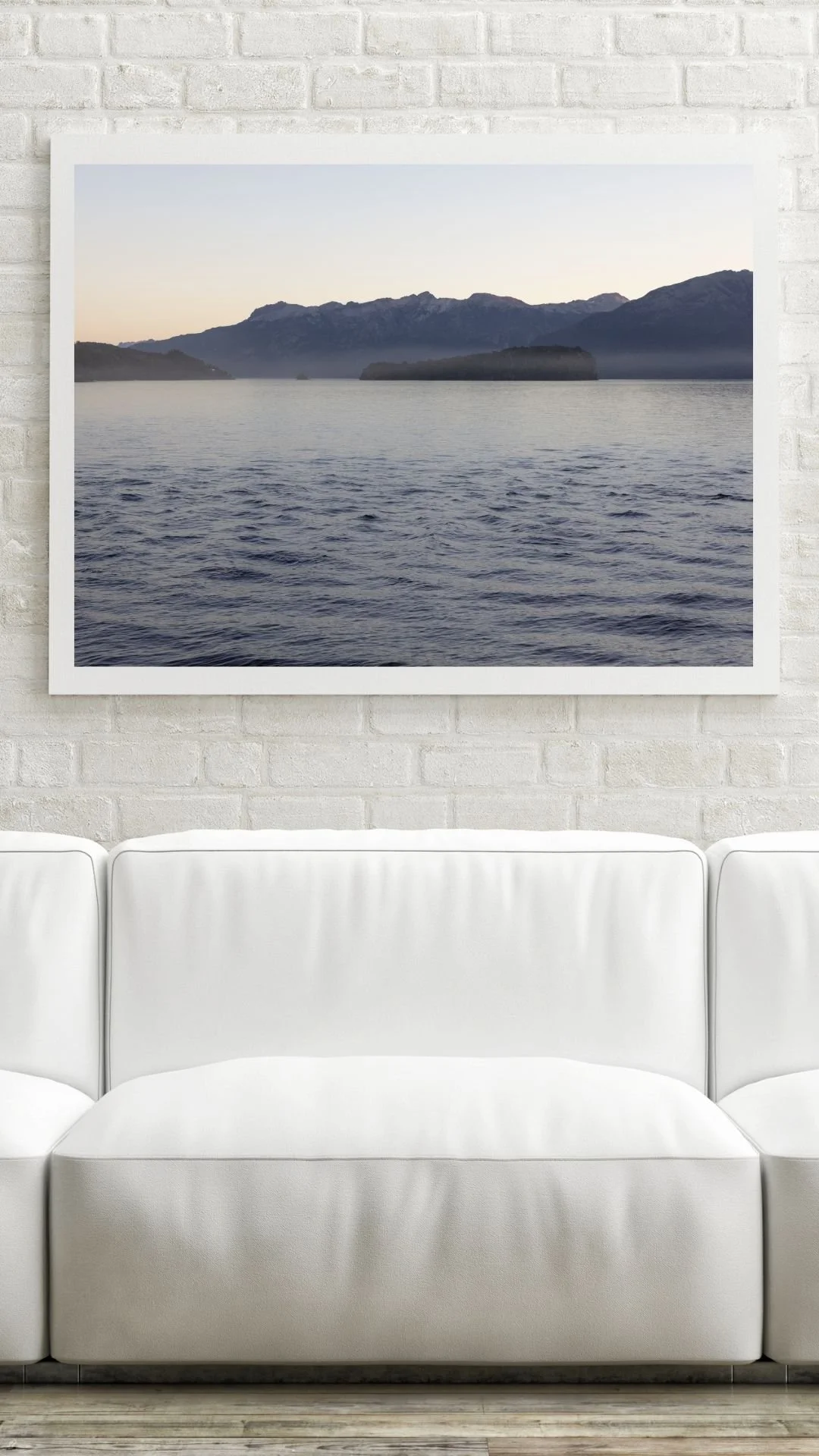
Veil — Southern Light series
Begin With What Holds Your Attention
Before thinking about the wall, the frame, or the colors in the room, pay attention to the artwork itself.
What makes you pause?
It might be a subject you recognize immediately. It might be the use of light, an unexpected color, a sense of movement, or something more difficult to name.
The pieces we connect with are not always the ones we would have predicted choosing. Sometimes an image feels familiar even when we have never seen the place it depicts. Sometimes a work carries a mood we recognize before we understand why. That first response is worth noticing.
There is plenty of time to think about measurements and materials later. Begin by allowing yourself to respond before trying to justify the choice and remember that the same artwork can hold different meanings for different people. That is part of what allows a piece to become personal.
Notice What You Return To
A quick reaction can be exciting, but the work you return to often tells you more. Pay attention to the image you reopen later. The one you save and continue thinking about. The one you begin imagining on a particular wall.
You do not have to purchase artwork immediately after discovering it. Give yourself time to see whether the connection remains. Ask yourself:
Do I still think about this piece after I have stopped looking at it?
Does it reveal something new when I return?
Am I drawn to the artwork itself, or only to the way it has been styled?
Can I imagine living with it beyond the current season or trend?
Meaning does not require a dramatic personal story. Sometimes the simple desire to keep looking is enough.
Art can become more meaningful through the experience of living with it. Changing light, different seasons, and your own evolving perspective can continue to shape the relationship over time.
Choose Art for the Life of the Room
Every room already has a life before the artwork enters it. A living room may be where people gather, children play, and conversations stretch late into the evening. A bedroom holds quieter routines. A dining room carries food, celebration, and the ordinary repetition of shared meals.
Consider what happens in the space and what you want the artwork to contribute. Do you want the room to feel calmer? More expansive? More grounded? Do you want a piece that encourages conversation or something that offers a private moment of reflection?
A room does not need artwork that simply repeats its existing mood. A peaceful bedroom can hold something mysterious. A restrained living room can support a work with energy and movement. A busy family space may benefit from an image that creates a visual pause.
The question is not only, “How does this artwork look in the room?” It is also:
| What does this artwork bring into the experience of being here?
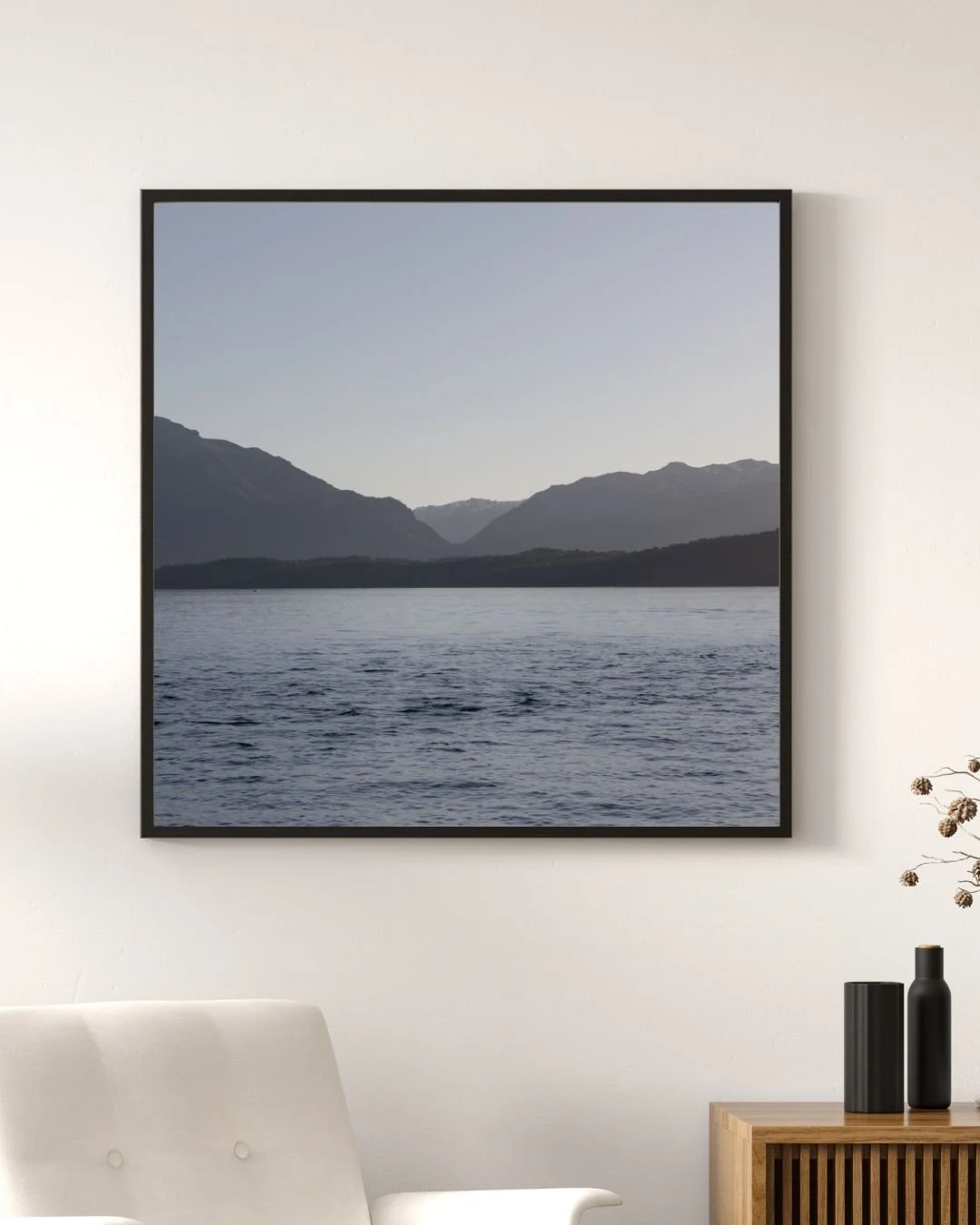
Presence— Southern Light series
Look for a Relationship, Not a Perfect Match
Artwork does not need to match the sofa, the rug, or every color already present in the room. It can relate to the space more subtly.
Perhaps the artwork repeats a small tone found elsewhere. Perhaps its frame connects to the warmth of the floor or furniture. Perhaps the image introduces contrast into a room that would otherwise feel too resolved. A relationship can come from:
Color
Texture
Shape
Mood
Scale
Subject
Contrast
One small connection is often enough. When every element matches too closely, a room can begin to feel designed around a formula. Artwork can be the part that adds individuality, memory, and tension.
Try replacing the question "Does it match?" with:
Does it feel at home here?
Does it add something the room needs?
Does it make the space feel more personal?
Would I still choose it if I changed the furniture?
The last question is particularly useful. Furniture, paint colors, and textiles may change. A meaningful piece of art can move through several homes and different stages of your life.
Let the Artwork Add a Point of View
The most interesting rooms usually contain something unexpected.
It might be a contemporary photograph in a traditional home, a quiet landscape in a colorful room, or an abstract image surrounded by older furniture and objects collected over time.
Art gives you the opportunity to introduce a point of view that does not need to appear anywhere else.
This is where personal taste begins to become visible.
You may be drawn to work that feels serene and open. You may prefer images with ambiguity, tension, or a darker emotional quality. Perhaps you are interested in landscapes that feel almost abstract, or photographs that make ordinary details seem unfamiliar.
None of these preferences need to be explained or defended.
Your home can hold complexity. You can love quiet rooms and emotionally layered artwork. You can value simplicity while choosing pieces that reveal themselves slowly.
Coherence does not require sameness. It can come from choosing things with attention.
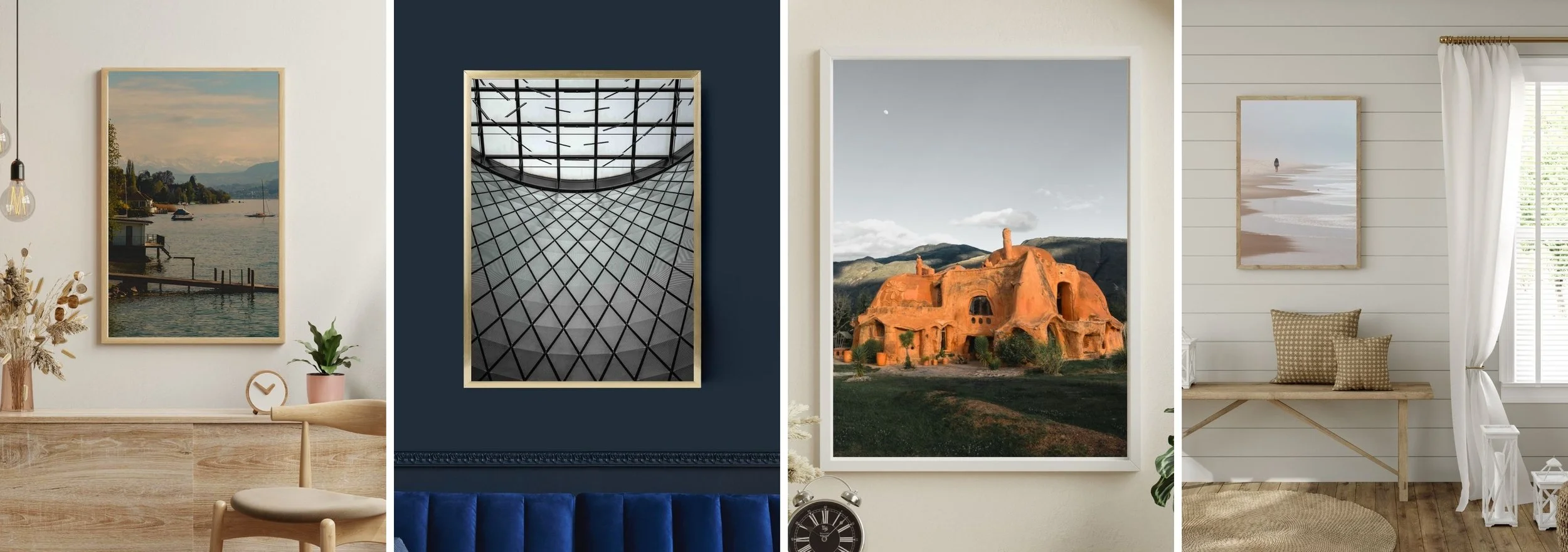
Choose What Reflects You—Without Trying to Explain Everything
Art can reflect your identity, history, memories, or values, but it does not need to function as a complete autobiography.
A piece may connect to your cultural background, a place you love, or a period in your life. Another may simply express a feeling you find beautiful.
Both belong.
Sometimes people feel pressure to choose art with an obvious story attached to it. A recognizable place, a personal photograph, or a subject connected to their family can feel easier to explain.
Those pieces can be deeply meaningful. So can work that reaches you in a less literal way.
You may not know why a distant mountain, an isolated tree, or a line of movement through water affects you. The connection is still real.
Meaning can be specific, but it can also remain open.
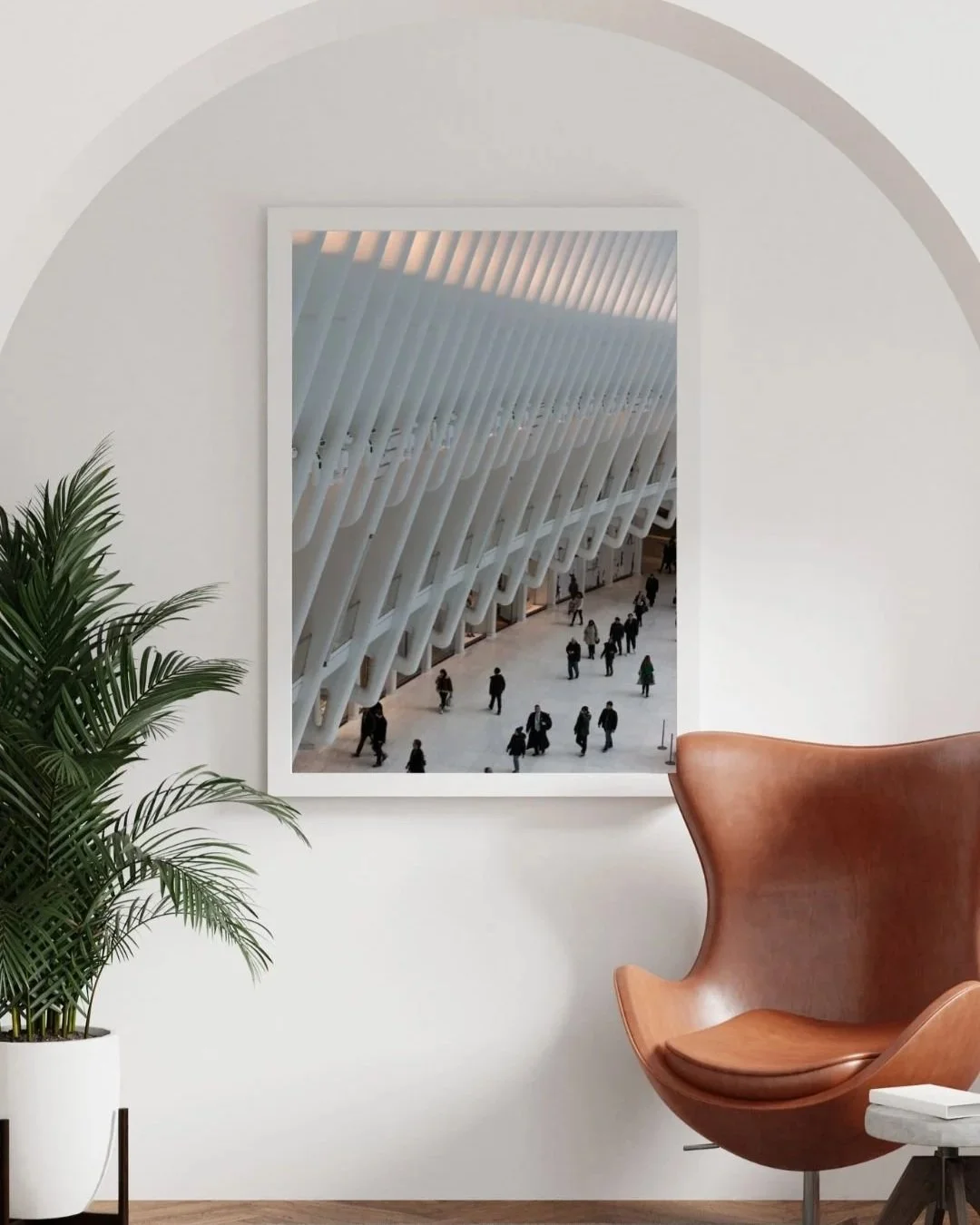
Oculus Flow— New York City
Allow Art to Change the Room
It is easy to think of artwork as the final layer—the piece added after the furniture, paint, lighting, and textiles have already been decided.
Sometimes the artwork should lead.
A piece you love may suggest a color you want to repeat elsewhere. It may influence the atmosphere of the room, the objects you place near it, or even how much visual information the space can hold.
Art can become the anchor rather than the accessory.
This does not mean designing an entire room around one photograph. It means allowing the artwork to have enough importance to affect the decisions around it.
If you find a piece that feels right, do not dismiss it because the room is not ready yet.
Rooms evolve. Meaningful artwork can help guide that evolution.
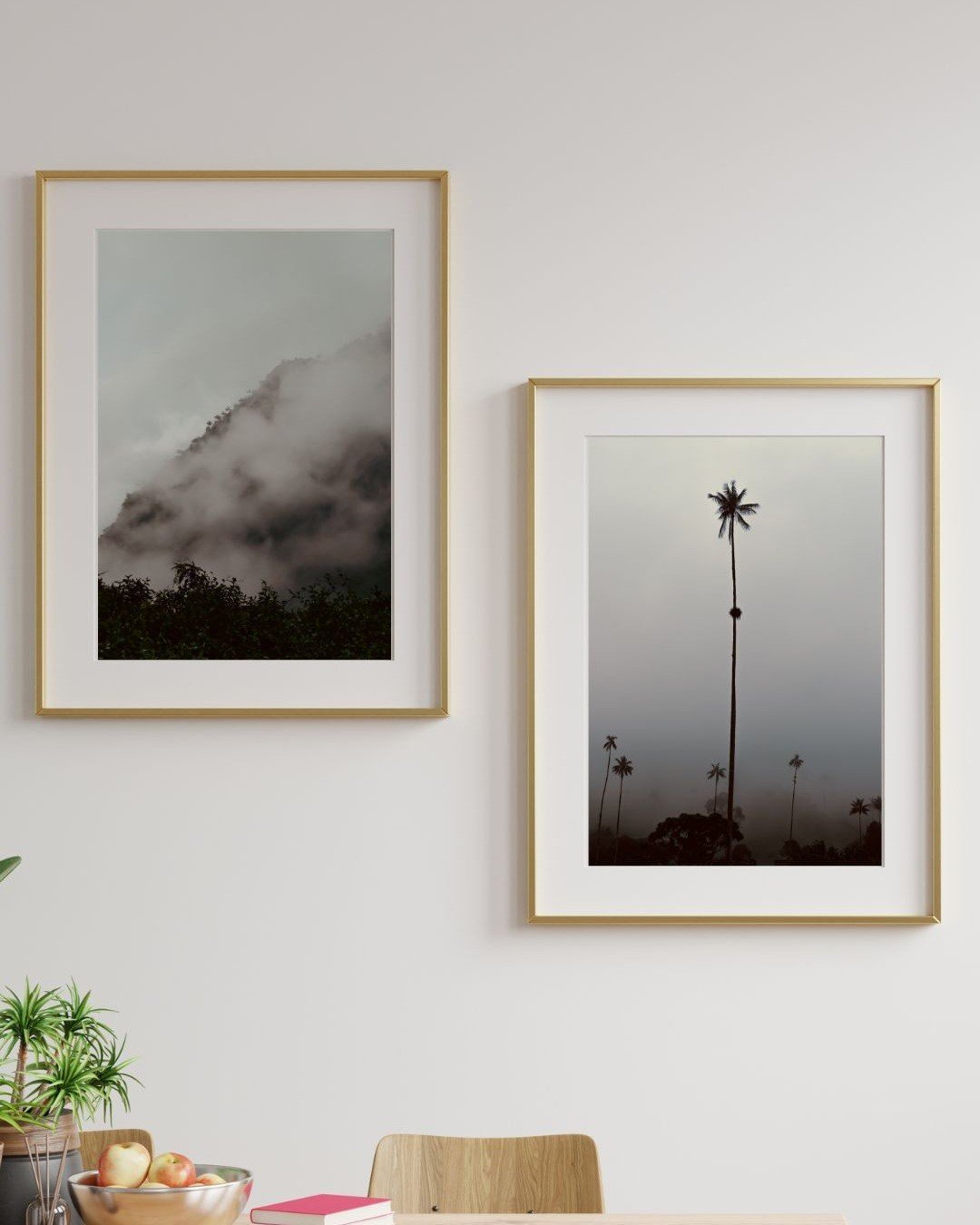
Misty Hills, Solitary in the Valley— Cocora Valley series
Build a Collection Slowly
A home does not need to be completed all at once.
The most personal collections often develop gradually. A piece is chosen during a trip. Another comes from an artist discovered years later. A photograph moves from one room to another and takes on a different presence in each place.
Over time, the works begin to relate to one another.
They may share a palette, but they do not have to. Their connection may come from landscape, memory, material, or simply the fact that each one mattered enough to bring home.
Collecting slowly gives you time to understand your taste.
You begin noticing patterns:
The subjects you return to
The moods that hold you
The colors you naturally live with
The kinds of work that continue to feel relevant
The balance you prefer between quiet and intensity
You may also discover that your taste contains contradictions.
That is a good thing.
A collection can be coherent because it belongs to one person—not because every piece looks the same.
When a Piece Belongs
You may never feel completely certain before choosing artwork.
There are practical details to resolve, but the emotional decision is often quieter. It can feel like recognition.
The piece stays with you. You imagine it in your home. The room begins to feel slightly incomplete without it.
Artwork belongs when it becomes more than something placed on the wall. It enters the atmosphere of the room and, over time, the memory of the life lived around it.
Start with what makes you stop.
Then give yourself permission to choose what continues calling you back.
With love,
Val

For guidance on choosing the right size, placement, material, and framing, read How to Choose Artwork for Your Space: A Practical Guide.
If you are drawn to one of my works and would like to understand more about the image, its story, or how it might live in your home, you are always welcome to reach out.